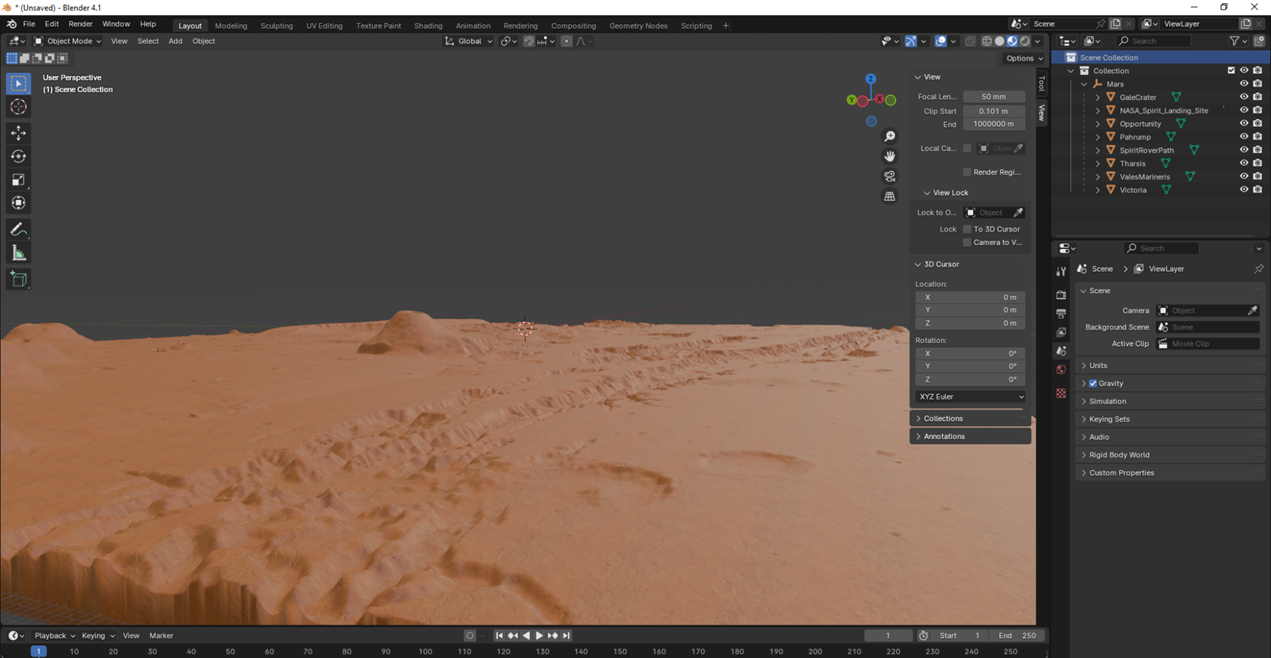
NASA’s open‑data philosophy has been one of the most inspiring foundations for this product. Their high‑resolution STL terrain models of the Moon and Mars are extraordinary scientific gifts to the public—meticulously captured, freely shared, and preserved with the intention that others might build upon them. These datasets form the backbone of many environments in Warp Ancestor, and honoring their spirit of openness has been central to my approach.
Beyond these two worlds, however, the landscape becomes more fragmented. NASA has sent probes to Venus, Mercury, and even Pluto, and in several cases those missions ended dramatically—crashing into the very surfaces they were studying. Yet for many of these bodies, no official STL terrain models exist, and some of the older links to 3D resources have simply vanished over time. What remain are photographs, elevation maps, and mission imagery—beautiful, incomplete, and full of possibility.
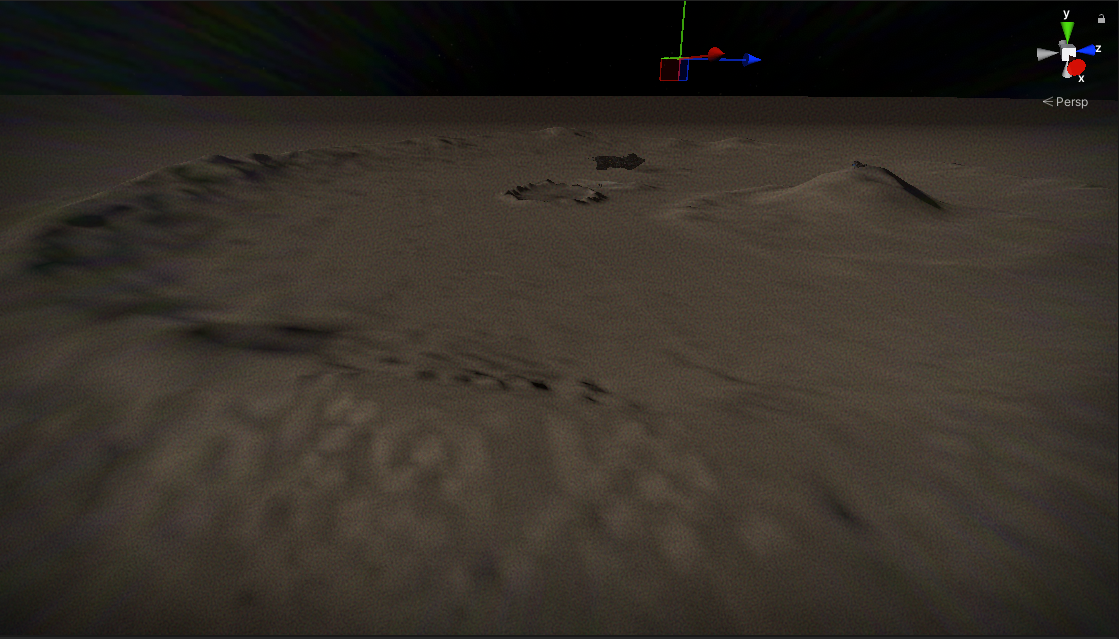
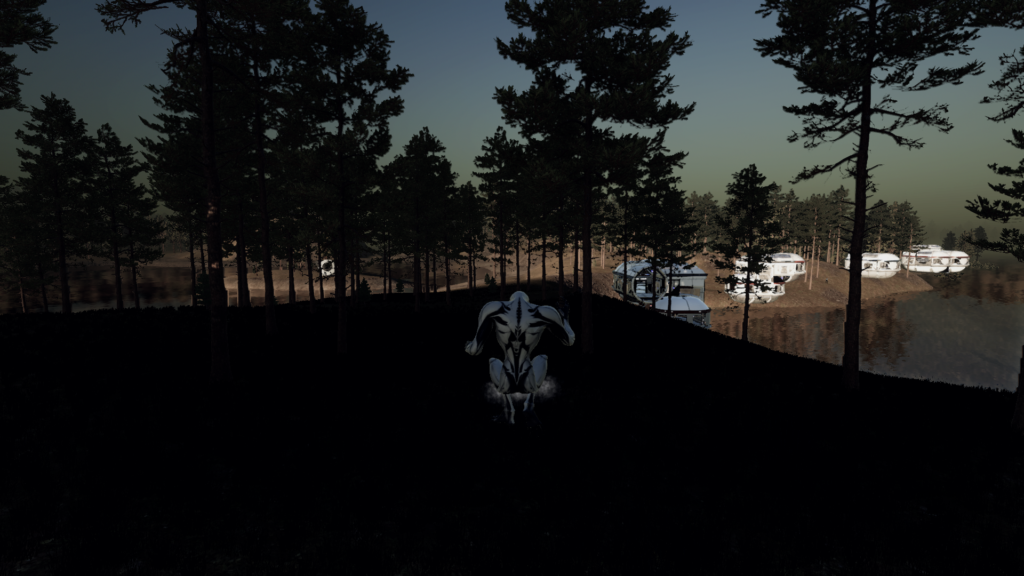
GABRIELOS CRATER (Named First in Warp Ancestor) – Large crater in the background and Mercury starting point
Voyager Probe Crash Site (Aproximate Interpretation) Tagged below
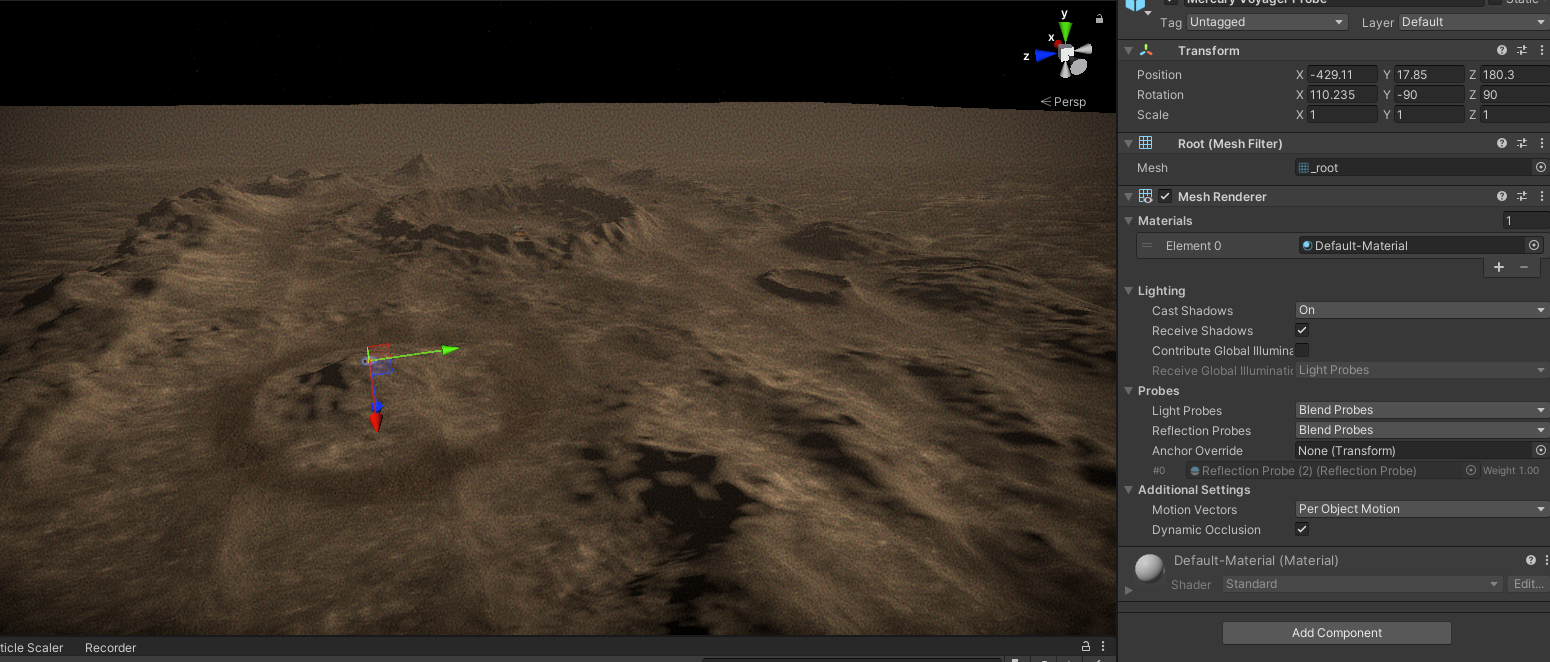
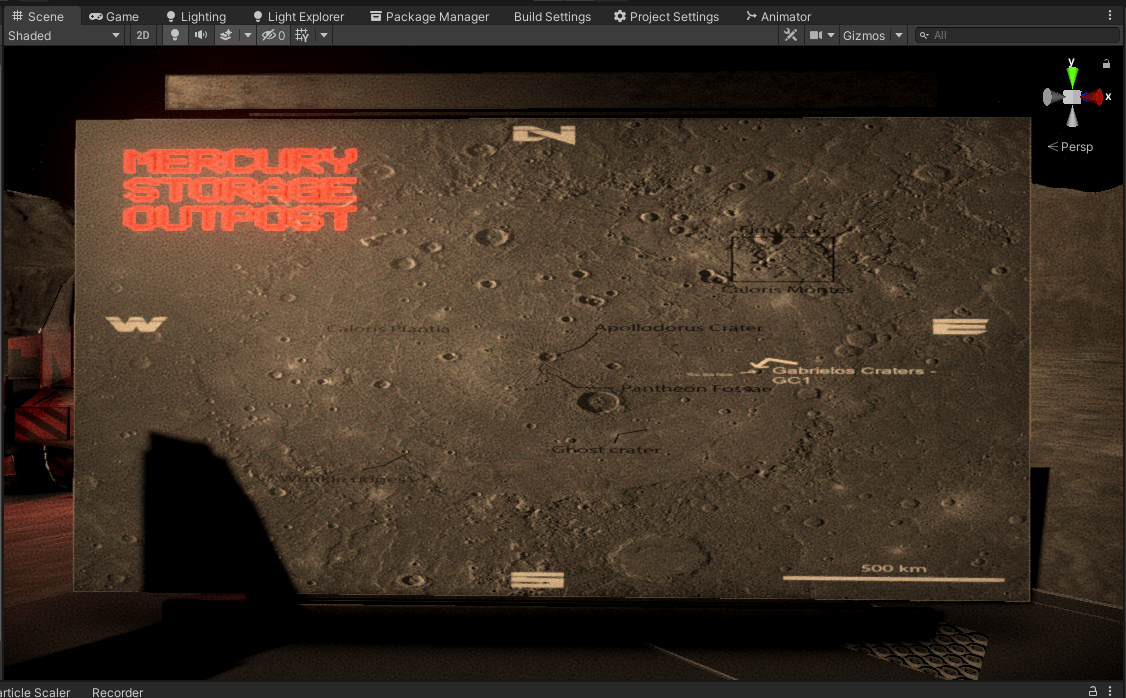
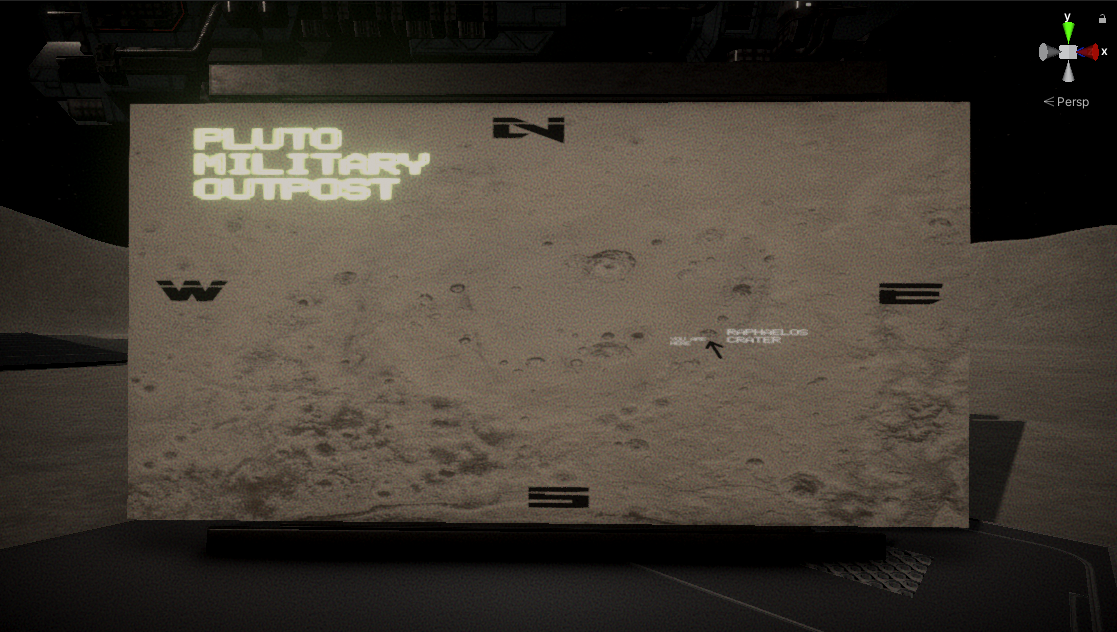
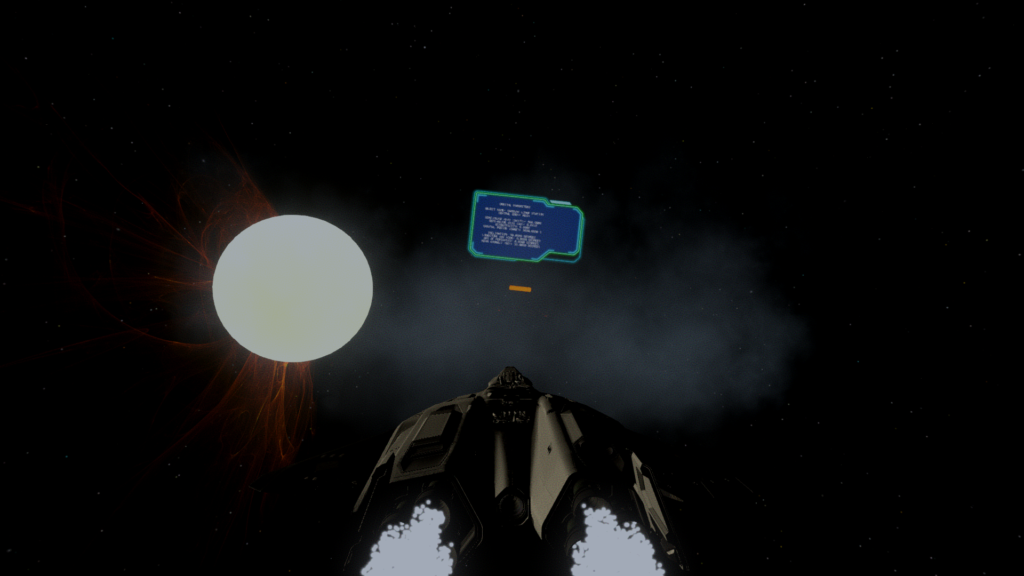
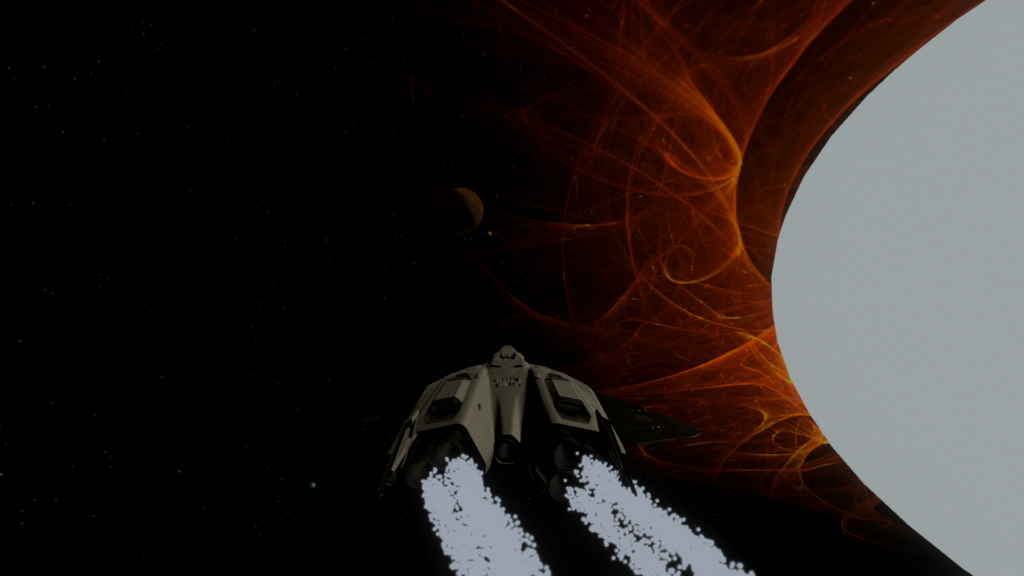
It is in these gaps that Warp Ancestor contributes creatively. Using real probe imagery and scientific references as a starting point, I reconstructed and interpreted several unnamed craters, giving them form, identity, and narrative weight within the game. Two of these—Gabrielos on Mercury and Raphaelos on Pluto—are personal tributes, shaped from real planetary data but brought to life through artistic interpretation.
RAPHAELOS CRATER ON PLUTO (Named First In Warp Ancestor)
And many other interpretations for worlds that are common to us all…
Leave a Reply